Summary
It’s only taken roughly two years since the launch of theSteam Deck, but players now finally have a glimpse at what the future for the device holds courtesy of a new model update via the recently announced Steam Deck OLED. Just a few short weeks after parent company Valve revealed that an official successor to theSteam Deckwas still years away, the company has now provided consumers with a substantial model update that holds a lot more than just a fancy new screen. Interestingly, Valve’s strategy with the Steam Deck OLED is reminiscent of Nintendo’s approach to upgrading the Switch.
Similar to howValve dropped the Steam Deck OLEDat a time when the company was receiving questions about the potential future of the device, Nintendo continually dodged rumors of a Switch successor before surprise-revealing the Nintendo Switch OLED in October 2021. Since the release of the Steam Deck, several other competitors have arrived into the handheld PC race, but the Steam Deck still holds enough of a grip on the handheld PC market to be considered a competitor to the Switch, as it has always been to a certain degree.
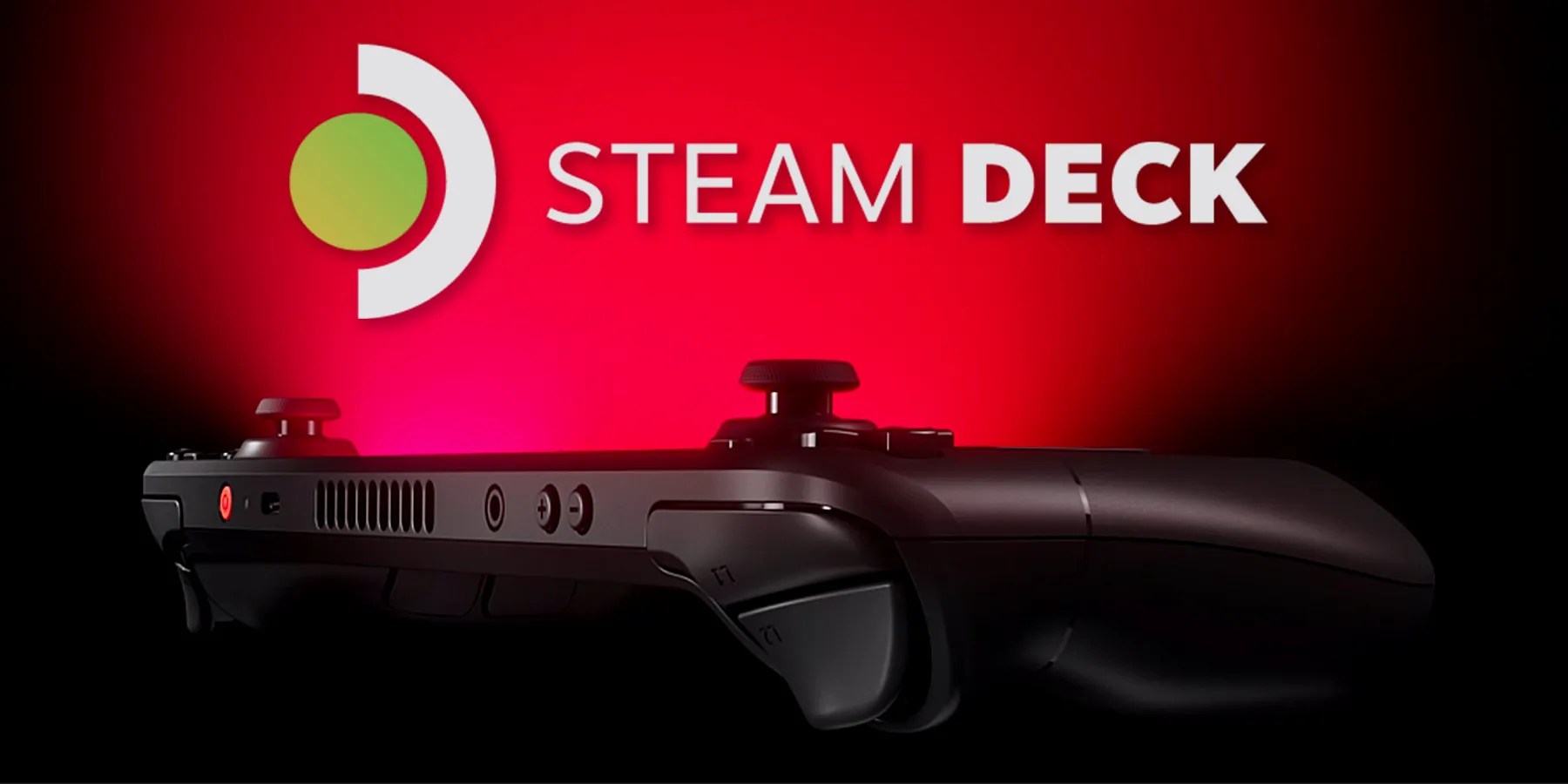
Valve and Nintendo now both have OLED upgrades available for their handheld consoles, but Valve’s new model is hiding a lot more under the hood than the Switch OLED.
RELATED:Persona 3 Reload Has Good News for Steam Deck Fans
The Steam Deck OLED Goes the Extra Mile to Justify an Upgrade
When the Nintendo Switch OLED released, it was a welcome upgrade for a system that was already four years into its life cycle, but plenty of fans were left disappointed after its reveal dashed hopes forthe rumored Switch Pro. The upgraded screen on the OLED is an excellent feature that makes games look even better in handheld mode (especially one of the initial titles used to show off the hardware,Metroid Dread), but otherwise, the OLED model of the Switch is identical to the newest production run of standard Nintendo Switch devices. Battery life, Joy-Con issues, resolution specs; all of these features are the same regardless of which model players purchase.
In comparison, the Steam Deck OLED is essentially tantamount to a Steam Deck 1.5, improving several of the most-requested features that fans would hope to see iterated on in a full-blownsuccessor to the original Steam Deck. The OLED model of the Steam Deck doesn’t just improve the screen and call it a day but instead opts to completely rework the internal components of the device. The result is a new model of the handheld that more than justifies its increased MSRP thanks to better internal cooling, longer battery life, and improved Wi-Fi infrastructure.

2.4 GHz - 3.5 GHz, 448 GFLOPS FP32
2.4 GHz - 3.5 GHz, 448 GFLOPS FPS32
8
1.0 - 1.6 GHz, 1.6T FLOPS FP32
16GB LPDDR5 5500 MT/s 2x 32-Bit
16GB LPDDR5 6400 MT/s 2x 32-Bit
$399 (256GB), 64GB and 512GB LCD models discontinued
$549 (512 GB), $649 (1TB)
Unlike the Switch, which continues to offer both the standard edition model andthe Switch OLED upgrade, Valve is notably discontinuing the original LCD model of the Steam Deck in favor of rolling out the improved OLED units. Without getting too in-depth into the nitty-gritty of the internal components, the most substantial upgrades to the OLED model of the Steam Deck include its brand-new advanced processing unit and improved internal memory and storage.
Additionally, the changes to the fan placement and internal cooling, along with an improved battery, should extend playtime significantly. Players will be able to test out these upgrades for themselves when the device goes live for ordering on November 16.
Steam Deck
Valve’s long-awaited portable console is here, and it’s taking the handheld gaming market by storm. Valve partnered with AMD to create Steam Deck’s custom APU, optimized for handheld gaming. It is a Zen 2 + RDNA 2 powerhouse, delivering more than enough performance to run the latest AAA games in a very efficient power envelope.
